


Safety Is the Soil: Tending the Nervous System as We Close the Year

As this year comes to a close, I want to pause — not to set goals, make resolutions, or promise transformation — but to reflect, integrate, and say thank you.
Over the past year, we’ve explored a wide range of topics together: brain health, hormones, stress, trauma, joy, grief, habit change, and the nervous system’s response to it all. On the surface, these conversations may have looked like separate threads. But underneath, they’ve all pointed to the same truth:
Nothing meaningful changes in the body unless the nervous system feels safe enough to allow it.
As we stand on the threshold of a new year, that truth feels especially important.
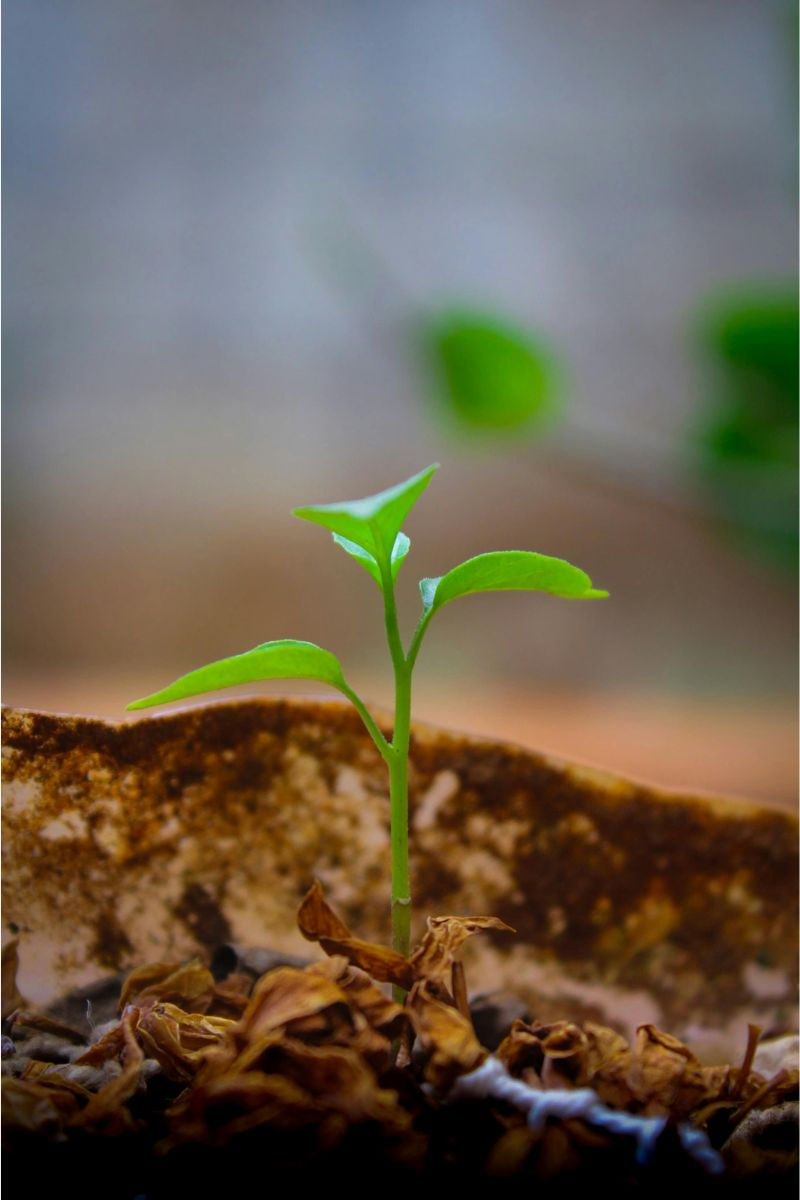
Safety Is the Soil. Goals Are the Plants.
One of the most important lessons I’ve learned from my teacher and mentor, Andrea Nakayama, is that we don’t heal by chasing symptoms — we heal by tending the terrain.
The body is not a collection of isolated problems to fix. It’s an ecosystem. And just like in nature, nothing thrives unless the soil can support healthy roots.
The nervous system is that soil.
When it feels safe, the body becomes cooperative. When it doesn’t, even the best intentions struggle to take hold. You can plant the most beautiful seeds — better sleep, nourishing food, movement, stress reduction, stronger boundaries — but without safety, those seeds don’t root. They wither. Or they never sprout at all.
And I want to pause here to name something personal — not because this work is about me, but because it matters to say out loud that none of us is exempt from this truth.
Today marks 17 weeks since my dad passed away. His steep decline unfolded over the course of this past year, and during that time my attention was understandably directed outward — toward his health, his needs, and supporting my family through a prolonged and painful transition.
Practically speaking, I didn’t change much about how I take care of myself. But context matters.
I spent much of the summer driving back and forth between my home and my parents’, who live in another state. I was out of my routine, my home, my bed — away from my husband, my dogs, and the life that normally helps regulate me — more often than I was in it.
And over the course of this year, I’ve experienced a series of new health concerns that seemed to arrive out of nowhere. Nothing dramatic at first. Nothing I couldn’t technically manage. But enough to signal that something deeper was happening beneath the surface.
Those symptoms have become more pronounced since my dad’s passing. In fact, I’m in the middle of a significant flare right now — one that has had me chasing symptom relief and searching for those ever-elusive “answers,” without much resolution.
Andrea Nakayama’s recent writings were a timely reminder for me that sometimes care needs to look different. That when the body stops whispering and starts shouting, it’s not asking us to try harder — it’s asking us to listen, reflect, and pause.
Let this be a gentle cautionary tale: even when we believe we’re “doing all the right things,” the body may still register threat, loss, and instability. And when safety signals are disrupted for long enough, the immune system can respond as though it’s under attack.
That’s where I find myself right now.
Not because I failed to care for myself — but because my nervous system has been living in prolonged vigilance. And vigilance, over time, doesn’t feel like safety to the body.
The body usually knows what we need before we do. And sometimes the most supportive thing we can do — even as practitioners, even as caregivers, even as people who “know better” — is to pivot. To soften. To stop asking the body to perform and start asking what would help it feel safe again.
What this experience has reinforced for me — both personally and professionally — is that safety isn’t something we “earn” by doing all the right things.
It’s something the body must feel.
And when that felt sense of safety has been disrupted for long enough — by grief, by prolonged stress, by constant adaptation — the body doesn’t respond with compliance. It responds with protection.
That’s not failure.That’s physiology.
Why This Matters for Health Goals
And here we are at the dawn of a new year, the time when many of us are thinking about New Year's Resolutions. (Yes, I intentionally capitalized and put that in bold, because that's how it feels sometimes - looming over us almost as an albatross around our necks). So many people arrive at January believing they need more discipline, more willpower, or more motivation. Resolutions.
But in my work with clients — and in my own life — I’ve seen this again and again:
What most bodies don’t need is more pressure.
They need more safety. (As we just illustrated above).
When the nervous system receives consistent signals of safety, remarkable things begin to happen:
Sleep deepens and becomes more restorative
Blood sugar stabilizes
Digestion improves
Inflammation quiets
Focus and clarity return
Habits become easier to sustain
The body becomes cooperative rather than resistant
In other words, safety creates the container for change.
The Pillars We’ve Been Tending All Along
Throughout this year, our conversations have returned again and again to a few foundational areas — not because they’re trendy, but because they’re how we communicate safety to the body.
Sleep tells the nervous system: “You’re allowed to power down. You don’t have to stay alert.”
Stress regulation tells the body: “The threat has passed. You can stand down.”
Nutrition tells the body: “There will be enough. You don’t need to brace or hoard.”
Movement — especially when it’s gentle and joyful — tells the body: “It’s safe to inhabit yourself.”
Connection and relationships tell the nervous system: “You are not alone.”
These aren’t boxes to check. They’re signals. And the body is always listening.
Gratitude for the Work We’ve Done Together
Before we look ahead, I want to acknowledge something important.
If you’ve been reading along, reflecting, experimenting, or simply feeling seen by these conversations — that matters. It means you’ve already been tending the soil.
Gratitude, as we explored recently, isn’t just an emotion. It’s a physiological state that tells the nervous system it’s safe to soften. And so, this moment feels like the right time to say thank you.
Thank you for your curiosity.Thank you for your openness.Thank you for staying engaged during a year that asked a lot from many of us. Your willingness to listen — to your body, your experience, and these ideas — is not small.
Carrying This Into the New Year
As we move into the year ahead, I want to offer a gentle reframe:
You don’t need to push yourself into change.
You don’t need to fix what’s “wrong.”
You don’t need to override your body to reach your goals.
Instead, you can ask a different question:
What would help my nervous system feel safer?
That single question has the power to change how you approach health, habits, and healing — not just in January, but for the long run.
Because when the soil is nourished, the plants know how to grow.
A Closing Wish
My wish for you as this year comes to a close is simple and sincere:
May you feel supported rather than pressured.
May your body feel listened to rather than overridden.
May the year ahead be shaped not by striving, but by steadiness.
And may the soil beneath your goals — your nervous system — be tended with patience, compassion, and care.
Thank you for being here.Thank you for walking this path with me.
Cheers to a new year rooted in safety, resilience, and possibility.


Comments